



Tyres and Rims
Showing 1–12 of 311 resultsSorted by price: low to high



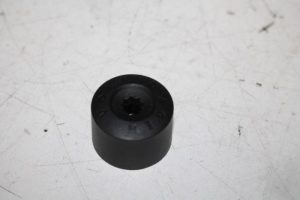
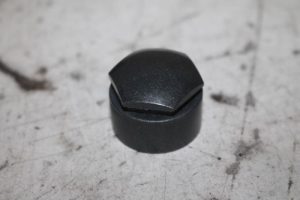


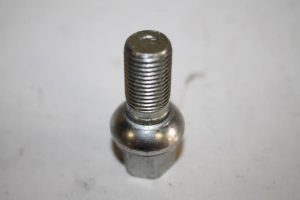
Showing 1–12 of 311 resultsSorted by price: low to high
Does the steering wheel vibrate, does a tyre rub inside the wheel arch or does a wheel fail to clear the brake calliper? The wheel diameter may be correct while other measurements are not. Bolt pattern, centre bore, width, offset and load rating all need to match the vehicle.
At Donkers VAG Parts, you will find genuine used Audi wheels, tyres and complete wheel sets. The parts come from vehicles dismantled in-house. This means information about the donor vehicle and its original wheel specification is often available.
Wheels, tyres and wheel sets
Depending on current stock, this category may include:
- alloy wheels;
- steel wheels;
- summer and winter wheel sets;
- spare wheels and space-saver wheels;
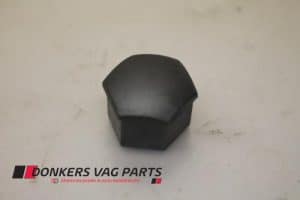
- centre caps;
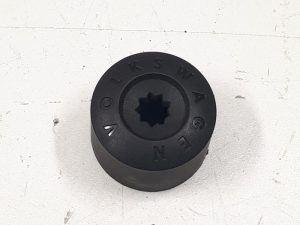
- wheel bolts and locking bolts;
- valves and fitting parts;
- tyre-pressure monitoring sensors.
A genuine Audi wheel was produced for specific vehicle versions, axle loads and brake systems. This does not mean that every wheel with the correct diameter will fit every version of the same model.
Wheel measurements and brake clearance
Before ordering a wheel, compare:
- bolt pattern;
- centre bore;
- wheel width;
- offset;
- wheel diameter;
- load rating;
- brake calliper clearance;
- approved tyre size.
The offset determines how far the wheel sits towards the inside or outside of the wheel arch. An unsuitable offset can cause the wheel or tyre to contact suspension parts, brakes or bodywork.
S line, S and RS versions may use larger brake systems. A wheel can therefore have the correct bolt pattern and diameter but still fail to clear the calliper.
Compare the complete wheel part number and technical measurements rather than relying on appearance alone.
Tyres for Audi quattro
On quattro models, the rolling circumference of all four tyres should remain closely matched. Differences in tyre size, tread depth or construction can cause the wheels to rotate at slightly different speeds.
This may place additional load on the drivetrain. When considering a used set, compare the brand, type, tread depth and wear pattern across all four tyres.
A set with matching tyre sizes may still be unsuitable if the tyres show large differences in wear.
Tyre-pressure monitoring
Some Audi models use direct tyre-pressure monitoring with a sensor fitted inside each wheel. The sensor type must be compatible with the vehicle electronics.
After installation, the sensors may need to be programmed, learned or assigned to the vehicle. Check whether sensors are included and which version is fitted.
Other Audi models use indirect monitoring through the ABS system and do not require sensors in the wheels.
Condition of used wheels and tyres
Used tyres should be checked for:
- remaining tread depth;
- production date;
- uneven wear;
- cuts, cracks or bulges;
- visible repairs.
Used wheels should be checked for cracks, distortion, damaged bolt holes and signs of previous repair. Cosmetic marks and other signs of use may be present.
The condition of each wheel, tyre or set is described on the product page and shown in the photographs. Check both before ordering.
Finding the correct wheel or tyre
Before ordering, check:
- the complete Audi wheel part number;
- model and model year;
- axle load;
- front-wheel drive or quattro;
- fitted brake system;
- wheel dimensions and offset;
- approved tyre size;
- tyre-pressure monitoring system.
The Audi model name alone is rarely enough to confirm compatibility. Different engine, brake and suspension versions within the same model range may require different wheels.
Looking for an Audi wheel, complete wheel set or tyre-pressure sensor? Start by comparing the part number and technical measurements. If you are unsure, send us the vehicle identification number and details from the existing wheel. We can then check which version may be suitable for your vehicle.