



Fuel System
Showing 1–12 of 1113 resultsSorted by price: low to high
-

-
-
-
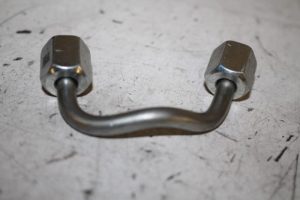
Engine and Accessories, Fuel System, Pipes and Rubbers
Excl. vat: € 6,61
Add to cart
Incl. vat: € 8,00 -
Engine and Accessories, Fuel System, Pipes and Rubbers
Excl. vat: € 6,61
Add to cart
Incl. vat: € 8,00 -
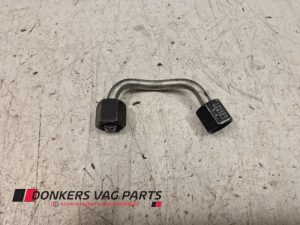
Engine and Accessories, Fuel System, Pipes and Rubbers
Excl. vat: € 6,61
Add to cart
Incl. vat: € 8,00 -

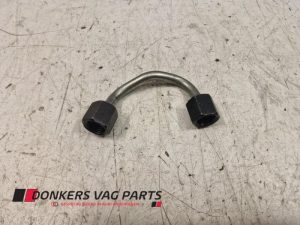
Engine and Accessories, Fuel System, Pipes and Rubbers
Excl. vat: € 6,61
Add to cart
Incl. vat: € 8,00 -
Engine and Accessories, Fuel System, Pipes and Rubbers
Excl. vat: € 6,61
Add to cart
Incl. vat: € 8,00 -
Engine and Accessories, Fuel System, Pipes and Rubbers
Excl. vat: € 6,61
Add to cart
Incl. vat: € 8,00 -
Engine and Accessories, Fuel System, Pipes and Rubbers
Excl. vat: € 6,61
Add to cart
Incl. vat: € 8,00 -
Engine and Accessories, Fuel System, Pipes and Rubbers
Excl. vat: € 6,61
Add to cart
Incl. vat: € 8,00 -
Engine and Accessories, Fuel System, Pipes and Rubbers
Excl. vat: € 6,61
Add to cart
Incl. vat: € 8,00
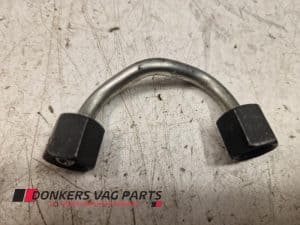
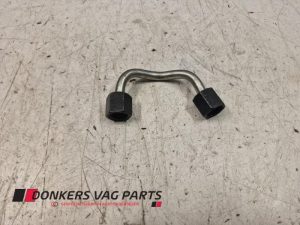
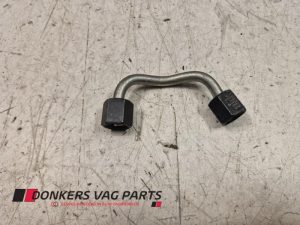
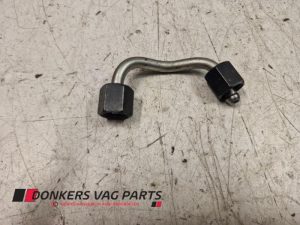
Showing 1–12 of 1113 resultsSorted by price: low to high
Does your Audi take longer to start, hesitate under load or show a fuel-pressure fault? The cause may be in the fuel tank, lift pump, high-pressure pump, injectors, sensors or fuel lines.
At Donkers VAG Parts, you will find genuine used fuel-system parts for petrol and diesel Audi models. The parts come from vehicles dismantled in-house. This means information about the donor vehicle, engine code and fitted fuel system is often available.
Fuel tanks, pumps and supply lines
The fuel system carries petrol or diesel from the tank to the engine. Several components work together to maintain the required pressure and flow.
Depending on current stock, this category may include:
- fuel tanks;
- fuel tank senders;
- in-tank and fuel lift pumps;
- filler necks;
- tank ventilation parts;
- fuel pipes and hoses;
- filter housings;
- pressure regulators;
- fuel rails.
A faulty fuel tank sender can cause an incorrect fuel-level reading. A weak fuel lift pump may restrict the fuel supply to the high-pressure system, even when the high-pressure pump itself is still working.
Tank shape, pipe layout and electrical connections may differ by model, engine and body style. Compare the complete part number and connection layout before ordering.
High-pressure pumps and injectors
TFSI petrol engines and many TDI diesel engines use direct fuel injection. The high-pressure pump, fuel rail, injectors and pressure-control components must work together.
This category may include:
- high-pressure fuel pumps;
- petrol injectors;
- diesel injectors;
- fuel rails;
- fuel-pressure sensors;
- metering valves;
- injector return pipes.
Injectors may differ by index number, calibration class or flow specification. Two injectors can look identical while having different technical values.
Using the wrong version may cause poor running, fault codes or incorrect fuel delivery. Depending on the engine, coding or calibration may also be required after installation.
Fuel-pressure faults
A stored fuel-pressure fault does not automatically mean that the high-pressure pump has failed.
Similar symptoms can be caused by:
- a weak in-tank pump;
- a faulty pressure sensor;
- damaged wiring;
- a blocked filter;
- a leaking pipe or connection;
- a metering or pressure-control valve.
Before replacing a pump or injector, check the measured fuel pressure, electrical supply and condition of the pipework. This helps avoid replacing a part that is not causing the fault.
Symptoms of a fuel-system problem
Fuel-system faults may cause longer starting times, hesitation, loss of power or an uneven idle. The engine may also enter a reduced-power mode.
On diesel engines, worn injectors may cause smoke, a harder combustion noise or unusual injector correction values.
A smell of fuel may indicate a leak around the tank, pipework, pump or injectors. Fuel leaks should be investigated before the vehicle is used further.
Finding the correct part
Before ordering, check:
- the complete Audi part number, including the suffix;
- engine code;
- petrol or diesel;
- engine output;
- model and model year;
- connector design;
- pipe and hose connections;
- donor vehicle details where available.
The model name and fuel type alone are rarely enough to confirm compatibility. The same Audi model may use several pumps, injectors or fuel rails.
Looking for a fuel pump, injector, tank or high-pressure pump for your Audi? Start by comparing the complete part number and engine code. If you are unsure, send us the vehicle identification number and details from the existing part. We can then check which version may be suitable for your vehicle.